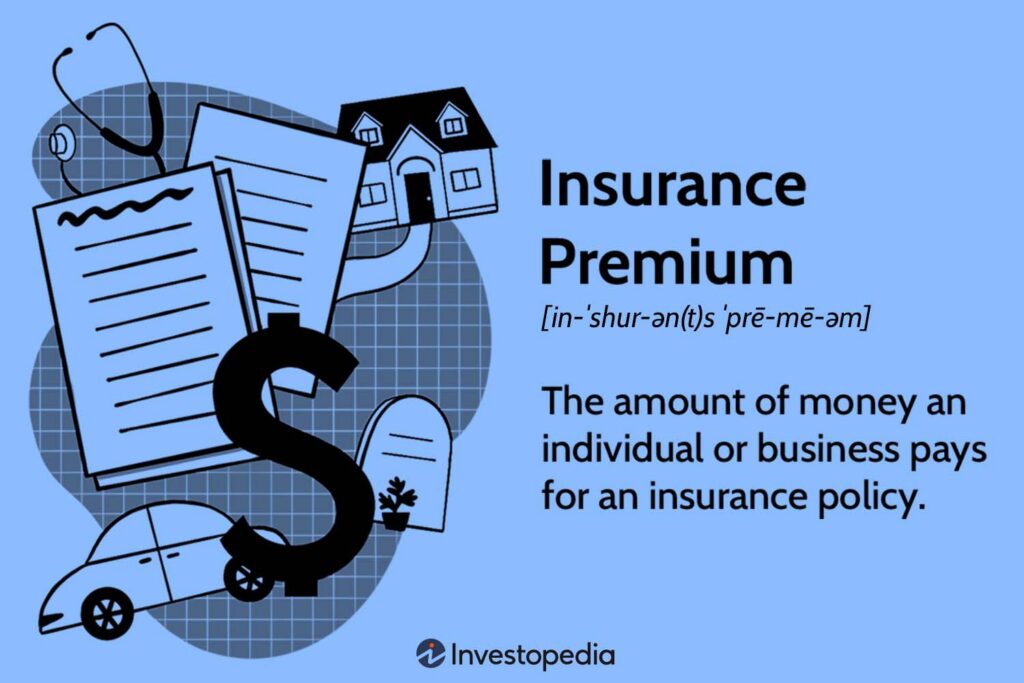
When you buy car insurance, one of the most important numbers you will see is the insurance premium.
But what exactly does this term mean? 🤔
A car insurance premium is essentially the amount you pay to an insurance company in exchange for the coverage described in your policy.
The premium can be paid annually, monthly, quarterly, or according to another payment schedule offered by the insurer.
However, the price of your insurance is not a random number. Insurance companies generally consider multiple factors when calculating premiums, including the driver, vehicle, location, driving history, coverage, and potential risk.
Understanding how premiums work can help you compare insurance policies more effectively.
💡 Important: Insurance pricing, terminology, and regulations vary between countries and insurers. The information in this article is intended as a general international guide.
What Is a Car Insurance Premium? 🛡️
A car insurance premium is the amount charged by an insurance company for providing the coverage included in your policy.
For example, imagine that your insurer charges:
$900 per year
That $900 would be your annual insurance premium.
In exchange, the insurer provides the coverage specified in your contract, subject to the policy’s conditions, limits, exclusions, and deductible.
In simple terms:
Premium = The price you pay for your insurance coverage.
The premium is different from the amount the insurer may pay after an accident.
How Is a Car Insurance Premium Calculated? 🧮
Insurance companies use different methods to calculate premiums.
Generally, they assess information about the driver, vehicle, and expected risk.
Some common factors include:
| Factor | Why it may matter |
|---|---|
| 👤 Age | Can be part of the insurer’s risk assessment |
| 🚦 Driving history | Previous incidents may affect pricing |
| 🚗 Vehicle | Value and repair costs can matter |
| 📍 Location | Local accident and theft risks may differ |
| 🛣️ Mileage | More driving can mean greater exposure |
| 🛡️ Coverage | More protection can increase the premium |
| 💳 Deductible | Different deductibles can affect pricing |
| 📋 Claims history | Previous claims may be considered |
| 💼 Vehicle use | Personal and commercial use can differ |
Not every insurer uses the same factors, and some factors may be restricted or regulated depending on the country.
What Does a Higher Premium Usually Mean? 💰
A higher premium does not automatically mean that an insurance policy is better.
It may simply reflect:
- More coverage.
- Higher coverage limits.
- Lower deductibles.
- A more expensive vehicle.
- A different driver profile.
- A different risk assessment.
- Additional services.
For example:
Policy A
Premium: $500/year
Deductible: $1,500
Policy B
Premium: $800/year
Deductible: $500
Although Policy A is cheaper, Policy B may require less out-of-pocket payment if a covered claim occurs.
This is why you should compare the entire policy, not just the premium.
Annual vs. Monthly Premiums 📅
Insurance companies may offer different payment schedules.
For example:
Annual payment
You pay the premium for the policy period in one payment.
Monthly payment
The premium may be divided into several installments.
However, the total cost of monthly payments is not necessarily identical to the annual payment amount.
Some insurers may apply:
- Payment fees.
- Financing charges.
- Different administrative costs.
Always check the total amount you will pay, rather than simply comparing the monthly installment.
What Is the Difference Between a Premium and a Deductible? 💳
These two terms are often confused.
Premium
The premium is the amount you pay to maintain your insurance coverage.
Deductible
The deductible is the amount you may have to pay toward an eligible claim.
For example:
Annual premium: $700
Deductible: $500
You pay the $700 premium for your insurance coverage.
If you later have a covered claim where the $500 deductible applies, you may have to pay the first $500 of the eligible loss.
So:
Premium = Cost of insurance
Deductible = Potential cost you pay when making a covered claim
What Is the Difference Between a Premium and a Claim? 📋
A premium is what you pay to the insurer.
A claim is a request for the insurer to provide coverage after a covered event.
For example:
You pay:
$800 premium
Then you have an accident and submit a claim.
If the claim is covered, the insurer may pay eligible expenses according to the policy.
The premium and claim are therefore two completely different parts of the insurance relationship.
Can Your Car Insurance Premium Change? 🔄
Yes.
Insurance premiums can change when your policy is renewed or when relevant circumstances change.
Possible reasons include:
- 🚗 Change of vehicle.
- 📍 Change of location.
- 🚦 Changes in driving history.
- 📋 Previous claims.
- 🛡️ Changes in coverage.
- 💳 Changes in deductible.
- 📈 Changes in insurance pricing.
- 🏢 Changes in insurer’s pricing model.
The exact rules depend on the insurance contract and applicable regulations.
Why Can Two People Pay Different Premiums? 👥
Imagine two drivers who own the same car.
Driver A:
- 40 years old.
- Long driving history.
- No recent claims.
- Drives relatively few kilometers.
Driver B:
- 20 years old.
- Limited driving experience.
- Higher annual mileage.
- Different claims history.
Even though they own the same vehicle, their insurance premiums may be different.
This is because insurers can evaluate their risk profiles differently.
How Does the Vehicle Affect Your Premium? 🚗
The car you drive can have a significant impact on insurance pricing.
Insurers may consider:
- Vehicle value.
- Repair costs.
- Replacement costs.
- Theft risk.
- Safety features.
- Engine characteristics.
- Availability of parts.
- Age of the vehicle.
A high-value vehicle may cost more to insure because replacing or repairing it can be more expensive.
However, the exact relationship depends on the insurance company and policy.
Does Your Location Affect Your Premium? 📍
Your location may also influence your insurance premium.
Insurance companies can consider factors such as:
- Traffic density.
- Accident frequency.
- Theft rates.
- Weather risks.
- Local repair costs.
- Road conditions.
For example, a vehicle used primarily in a large urban area may have a different risk profile from one used in a rural area.
Again, the importance of location varies by market.
Does Coverage Affect Your Premium? 🛡️
Yes.
Generally, adding more protection can increase the cost of an insurance policy.
For example, you might choose between:
Basic liability coverage
Designed primarily to cover certain liabilities toward other people.
Extended coverage
May add protection such as:
- 🔐 Theft.
- 🔥 Fire.
- 🪟 Glass.
- 🛠️ Assistance.
Coverage including own vehicle damage
May also provide protection for certain damage to your own vehicle.
The more protection a policy provides, the more important it becomes to compare the actual coverage rather than simply the price.
How Can You Potentially Reduce Your Insurance Premium? 💡
There are several things you can consider when looking for a lower premium.
🔎 Compare insurers
Different companies can provide different quotes.
🛡️ Review your coverage
Make sure the policy matches your actual needs.
💳 Consider the deductible
A different deductible may change your premium, depending on the policy.
🚗 Choose your vehicle carefully
Insurance costs can vary significantly between vehicle models.
🛣️ Review your mileage
If your annual driving changes substantially, check whether your policy should be updated.
📋 Maintain accurate information
Incorrect or outdated information can cause problems with your policy or claims.
Is the Cheapest Premium the Best Option? 🤔
Not necessarily.
Imagine you have two policies:
| Policy A | Policy B | |
|---|---|---|
| Annual premium | $550 | $750 |
| Deductible | $1,500 | $500 |
| Theft coverage | ❌ | ✅ |
| Glass coverage | ❌ | ✅ |
| Roadside assistance | Basic | Extended |
| Own vehicle damage | Limited | Included |
Policy A costs less.
But Policy B provides additional protection.
The right choice depends on your circumstances, budget, risk tolerance, and the coverage you need.
The key lesson is:
Don’t compare insurance premiums without comparing what you receive in return.
What Should You Check Before Paying a Premium? 📋
Before purchasing or renewing insurance, review:
- 💰 Total premium.
- 📅 Payment schedule.
- 🛡️ Coverage.
- 📊 Coverage limits.
- 💳 Deductible.
- ⚠️ Exclusions.
- 🛠️ Additional services.
- 📞 Claims procedure.
- 🔄 Renewal conditions.
This can help you understand the actual value of the policy.
Frequently Asked Questions ❓
What is an insurance premium?
An insurance premium is the amount you pay an insurance company for the coverage provided by your policy.
Is a car insurance premium paid every month?
Not necessarily. Depending on the insurer, you may be able to pay monthly, annually, quarterly, or according to another schedule.
Why did my insurance premium increase?
Premiums can change because of changes in your circumstances, claims history, vehicle, coverage, insurer pricing, or other factors.
Is the premium the same as the deductible?
No. The premium is the cost of maintaining the insurance policy. The deductible is an amount you may have to pay toward a covered claim.
Can I reduce my car insurance premium?
Potentially. Comparing insurers, reviewing coverage, considering the deductible, and providing accurate information may help you find a different price.
Does a higher premium mean better insurance?
Not necessarily. A higher premium may reflect broader coverage, lower deductibles, higher limits, or simply a different risk assessment. Always compare the complete policy.
Conclusion: Understanding Your Car Insurance Premium 💳🚗
The car insurance premium is simply the price you pay for the coverage provided by your insurance policy.
However, the number itself doesn’t tell the whole story.
When comparing policies, look at:
💰 Premium + 🛡️ Coverage + 💳 Deductible + 📊 Limits + ⚠️ Exclusions
Your driver profile, vehicle, location, driving history, mileage, coverage, and insurance company can all influence the final price.
Understanding these factors can help you compare quotes more effectively and avoid choosing a policy based solely on the cheapest premium.
🚗 The best comparison is not simply about how much insurance costs, but about what protection you receive for that cost.